01 ☎
One Line for Worcester
Every call reaches the same Worcester intake. Describe the problem once, to a person — not through a web form.
Mice in the walls, droppings under the sink, a nest in the eaves — describe what you are seeing once, on one call, and get matched with an independent local pest control provider who works in Worcester.
Worcester's housing was built in layers: 1890s triple-deckers with fieldstone foundations downtown, post-war ranches out by the lake, and everything between. Each layer raises its own pests in its own way. This site is the call-first way into that local knowledge — no forms, no portals, no phone trees. You describe the problem in plain words, and the intake matches the job with a provider who serves your part of the city.
One call reaches the Worcester intake for every service on this site. Say the neighborhood or ZIP first, then what you have seen — droppings, damage, bites, a nest. The intake sorts it from there.
📞 Call NowThe matched provider confirms the scope of work with you before anything begins.
Every call reaches the same Worcester intake. Describe the problem once, to a person — not through a web form.
Jobs go to independent providers who serve Worcester and know its housing, from triple-deckers to lake-side ranches.
You do not need a pest name. Droppings, damage, sounds or a nest are enough for the intake to sort the job.
The matched provider confirms the work with you before anything begins. Nothing starts in the dark.
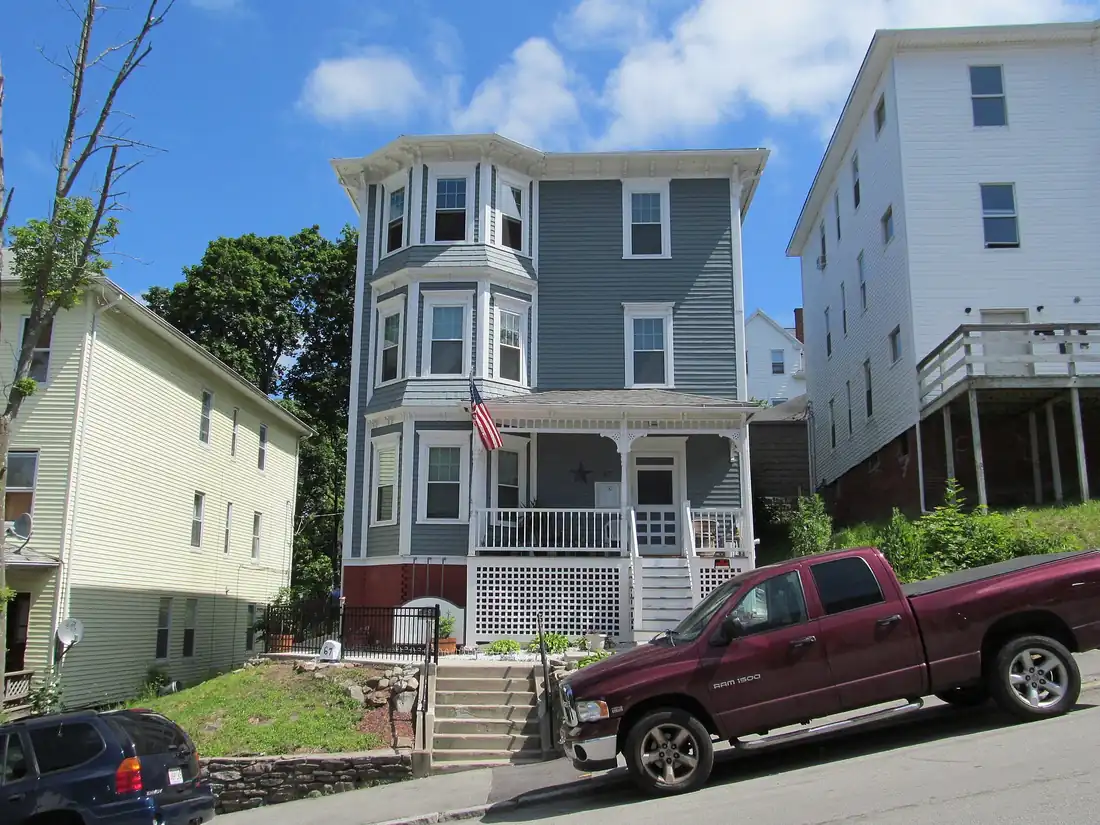
Worcester is the second-largest city in New England, and its pest problems are as varied as its neighborhoods.
Start downtown, where the triple-deckers stand three families deep behind fieldstone foundations that were old when the trolleys ran. In those buildings a mouse that enters one basement can reach three kitchens through shared wall voids and pipe chases, and a cockroach problem on the second floor rarely stays on the second floor. Head out to the West Side and the housing changes to colonials and capes on wooded lots, where carpenter ants work the damp trim, ticks wait at the edge of the yard, and squirrels treat attic vents like front doors.
The seasons drive the calendar. Spring wakes the termites and the carpenter ants; the first warm weeks are when swarmers appear at basement windows. Summer belongs to yellow jackets, mosquitoes and fleas. In fall, stink bugs gather on sunny walls and the first mice start testing foundation gaps ahead of the cold. Winter is rodent season indoors — the months when scratching in the ceiling and droppings in the pantry mean a house mouse colony has moved in for good.
Worcester Pest Control Help exists to shorten the distance between noticing a problem and talking to someone local about it. You call one line, describe what you are seeing, and the intake matches the job — rodent, termite, bed bug, wasp, wildlife — with an independent provider who serves Worcester. The matched provider confirms the scope of work with you before anything begins, so the work that happens is the work you agreed to.
Every service on this site has its own page, written around how the problem actually presents in Worcester homes: the signs to check, the places to look, what a treatment visit involves, and the questions homeowners here ask most. If you are still working out what you are dealing with, the guides go deeper on identification — droppings, termite signs, bed bug signs — so your first call starts from facts, not guesses.
One more thing shapes Worcester pest work: the calendar. This is a city of real winters and humid summers, and the pest year turns with them — swarmers in spring, stinging insects in late summer, mice at the first frost. The seasonal guide on this site lays the whole year out, and the intake thinks the same way: when you call shapes what the provider expects to find, and a problem described in its season gets sorted faster.
How the service works →Five services with their own pages, and a full services hub covering the rest — carpenter ants, cockroaches, ticks, mosquitoes, fleas, seasonal invaders and pest inspections.
Mice and rats in walls, attics and basements — signs, entry points and exclusion-first control.
Learn more →Subterranean termites in Worcester homes — mud tubes, swarmers, damage signs and what treatment involves.
Learn more →Bed bugs in mattresses, apartments and multi-unit buildings — signs, preparation and treatment.
Learn more →Raccoons, skunks, squirrels and bats in attics, chimneys and yards — humane removal and exclusion.
Learn more →Yellow jackets, wasps, hornets and bees — nest identification, safe removal and when a nest can be left alone.
Learn more →Thirty seconds of the right detail saves a second visit later. Here is what the intake listens for.
Not the diagnosis — the evidence. "Small dark droppings under the kitchen sink" tells an experienced intake more than a guessed species name.
Basement, attic, one unit or the whole building — location decides whether this is a single-room problem or a shared-wall problem.
Triple-decker, single-family, condo or apartment. Worcester's building types route pests differently, and the intake asks for a reason.
A nest found today and droppings noticed for months are different calls. Sudden changes and slow-building ones sort differently.
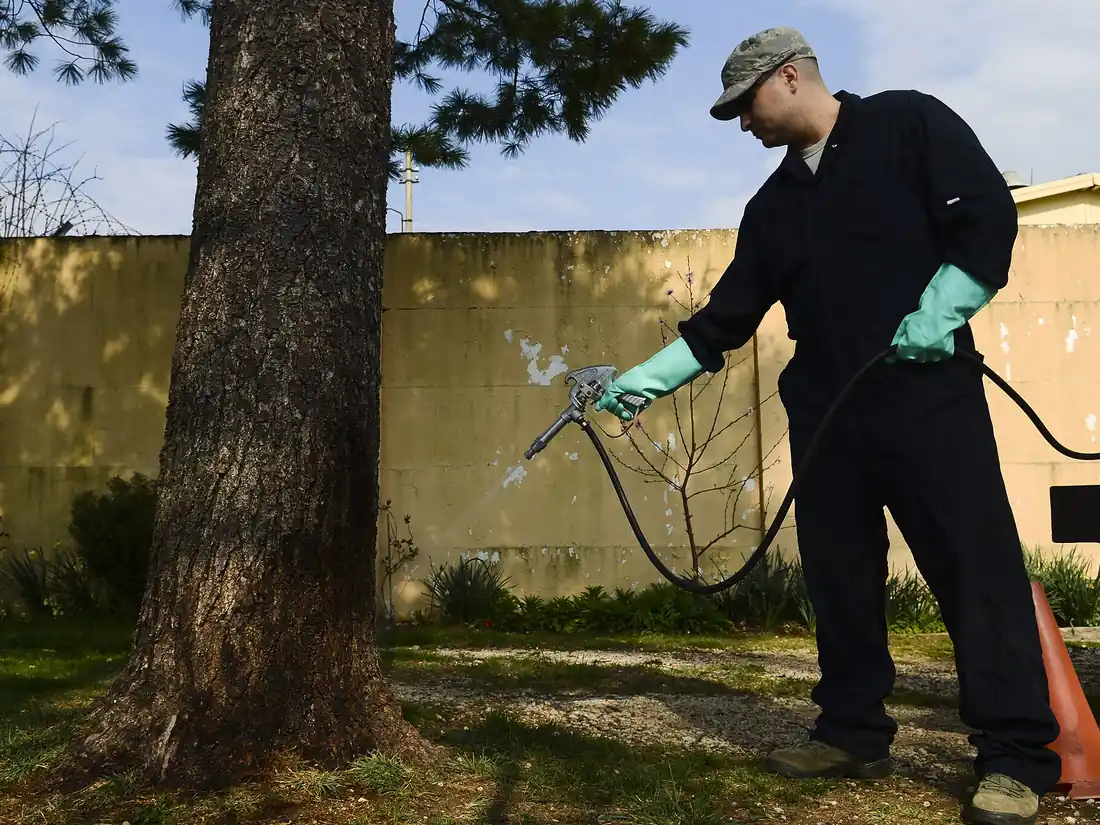
The four problem families behind most calls — read the one that matches what you are seeing, or start with the guides.
Droppings, scratching after dark, nests in insulation — the fall and winter staple of Worcester's older housing.
Termites and carpenter ants working inside sills and frames, found by tubes, frass and spring swarmers.
Luggage-borne introductions that spread through seams — and, in triple-deckers, between units.
Yellow jackets in the lawn by August, squirrels and raccoons in the roofline, skunks under the porch.
Most pest advice is written for a generic suburb. Worcester is not one. The city's triple-deckers share walls, chases and basements across three households, so pests spread vertically in ways a single-family plan never has to consider. Fieldstone foundations — beautiful, original, and full of pencil-width gaps at the mortar joints — are an open invitation to mice every October. Even the porches work against the buildings: the lattice that skirts a Worcester front porch shelters exactly the dark, undisturbed ground that mice and skunks prefer.
That is why the guides on this site include one written specifically for triple-decker owners and landlords: how infestations move through a three-family building, what coordination between units actually involves, and which entry points matter most. It is the page most Worcester landlords end up reading first, and it exists because no national pest site writes about these buildings at all.
Read the triple-decker guide →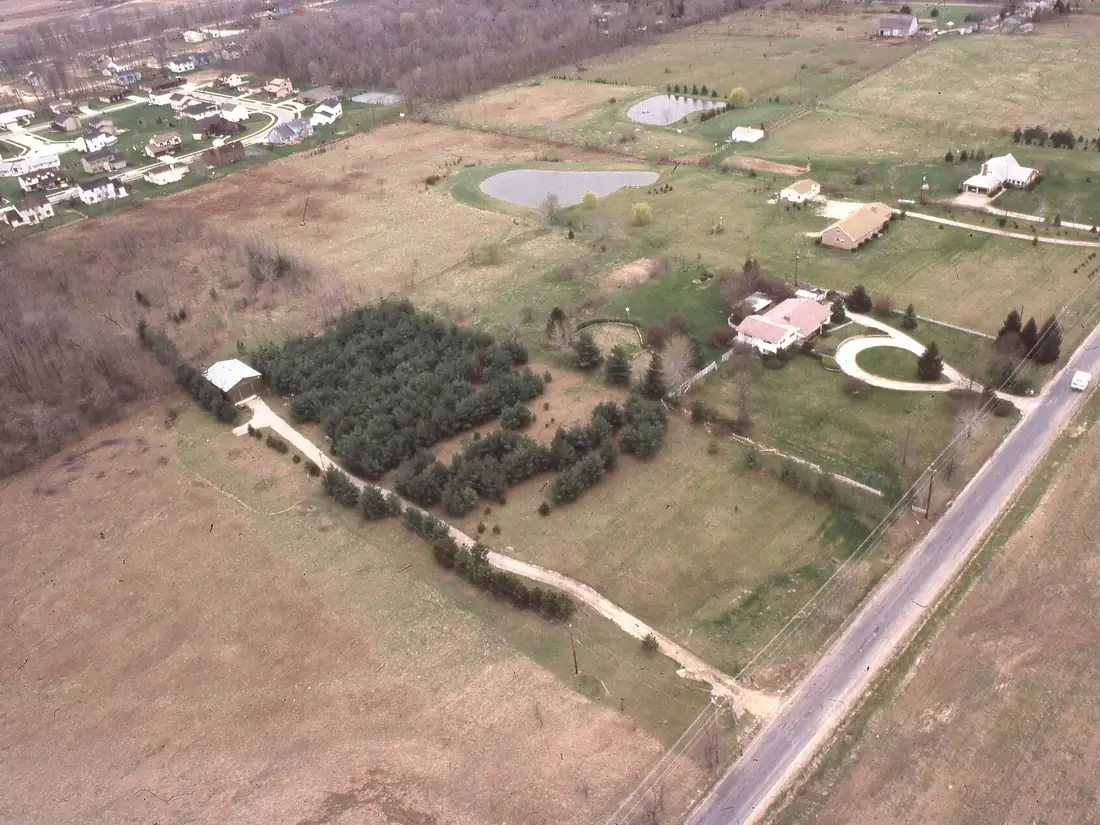
The older triple-decker core around Main South and Vernon Hill, the college neighborhoods, the lake districts by Quinsigamond and Indian Lake, Tatnuck and the West Side, Burncoat and the northern streets — one intake line covers the whole city, with Auburn, Shrewsbury and Millbury folded in.
Not sure you are in range? Call with your ZIP code and the intake will tell you plainly.
Describe what you are seeing once, on one call, and get matched with an independent local provider. The provider confirms the scope of work with you before anything begins.
📞 Call NowOne call covers every service on this site. Describe what you have seen and the building it is in — the intake sorts the job and matches it with an independent local provider, who confirms the scope of work with you before anything begins.
There are no web forms on this site. The phone call is the intake; email is there for non-urgent questions about how the service works.
📞 Call Now