01 ☎
One Line for Worcester
Every call reaches the same Worcester intake. Describe the problem once, to a person — not through a web form.
Five services have their own pages. Everything else a Worcester home commonly faces — carpenter ants, cockroaches, ticks, mosquitoes, fleas and the occasional invaders — is covered in depth below, along with pest inspections. Start from what you have seen; each section names the signs, the likely culprit and the service that answers it.
Every call reaches the same Worcester intake. Describe the problem once, to a person — not through a web form.
Jobs go to independent providers who serve Worcester and know its housing, from triple-deckers to lake-side ranches.
You do not need a pest name. Droppings, damage, sounds or a nest are enough for the intake to sort the job.
The matched provider confirms the work with you before anything begins. Nothing starts in the dark.
The problems with proven Worcester demand behind them — each with its signs, scope and process laid out in full.
Mice and rats in walls, attics and basements — signs, entry points and exclusion-first control.
Learn more →Subterranean termites in Worcester homes — mud tubes, swarmers, damage signs and what treatment involves.
Learn more →Bed bugs in mattresses, apartments and multi-unit buildings — signs, preparation and treatment.
Learn more →Raccoons, skunks, squirrels and bats in attics, chimneys and yards — humane removal and exclusion.
Learn more →Yellow jackets, wasps, hornets and bees — nest identification, safe removal and when a nest can be left alone.
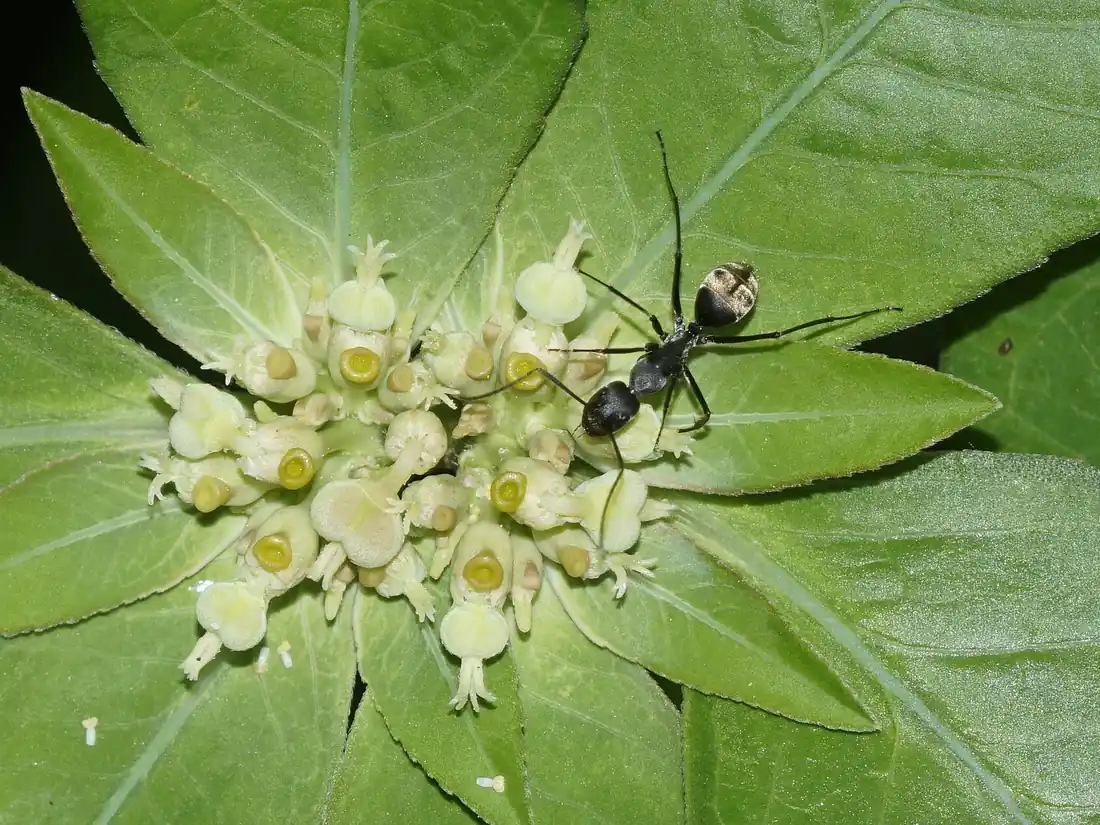
Learn more →Carpenter ants are the wood-destroying insect Worcester providers hear about alongside termites — and the one most often confused with them. They do not eat wood. They excavate it, hollowing damp timber into smooth galleries for their nests, and a colony that starts in a wet window frame can extend into wall framing over seasons. New England's wet springs and older wooden housing give them everything they need.
The signs are specific: large dark ants (workers vary in size, up to about half an inch), coarse sawdust-like frass pushed from galleries — often containing insect body parts, which termite workings never do — and faint rustling inside walls on quiet nights. Swarmers in spring look like termite swarmers at a glance, but the pinched waist and elbowed antennae give them away; the termite signs guide on this site shows the comparison in full.
Treatment follows the nest: satellite colonies indoors connect to a parent colony usually outdoors in a stump, woodpile or tree. Work involves locating the activity, treating the galleries and the routes between indoors and out, and correcting the moisture that made the wood attractive — a carpenter ant problem is always, at root, a damp-wood problem.
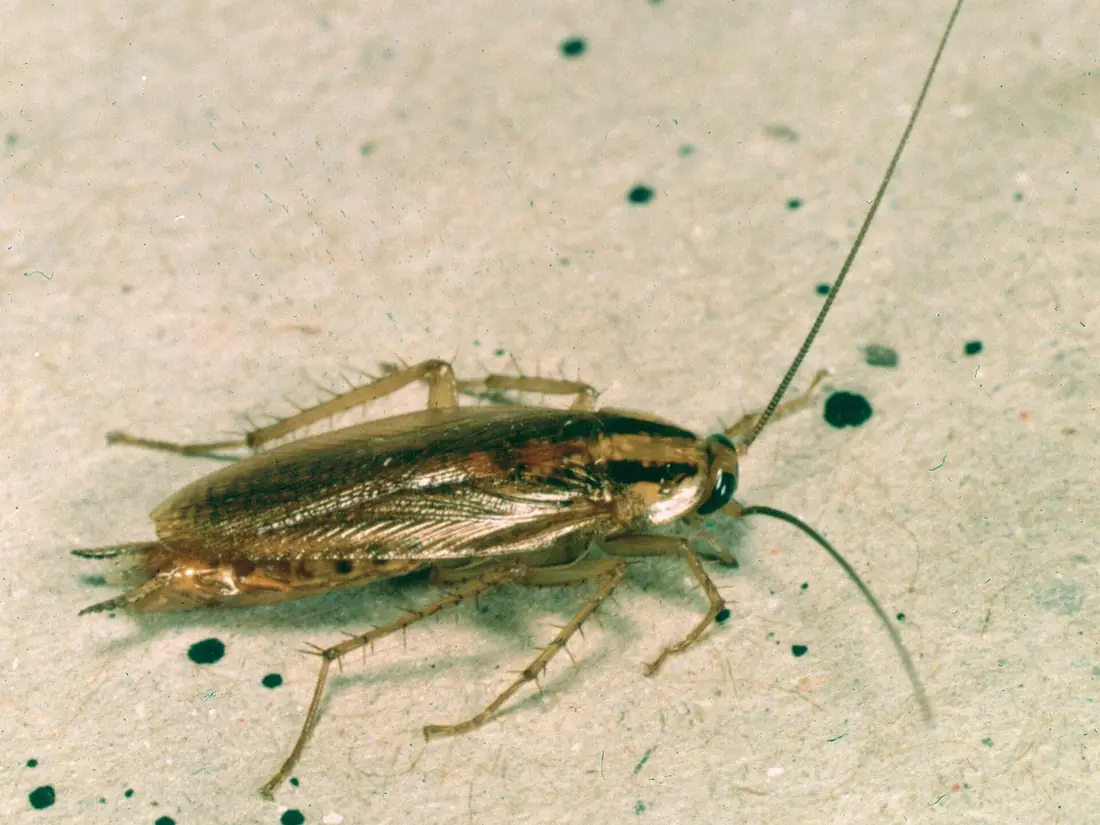
Worcester's cockroach is the German cockroach: small, light brown, fast-breeding, and almost entirely an indoor, multi-unit story. It lives where warmth, water and food meet — behind fridges, under sinks, inside appliance motors — and it travels between units through plumbing and wiring runs. One female's egg case holds dozens of young, which is why a sighting of two roaches in a kitchen usually means a harboraging population out of sight.
German cockroaches ride into buildings in grocery bags, cardboard, used appliances and furniture. In a triple-decker they then spread the way everything spreads in those buildings: vertically, through the shared chases. That is why single-unit spraying so often fails — the population in the wall void and the unit below is untouched — and why building coordination appears in almost every serious roach job in this city.
Control is methodical rather than dramatic: gel baits placed in harborages (which roaches carry back through the population), growth regulators that break the breeding cycle, crack-and-crevice work, and sanitation that removes competing food. Sprays scattered on surfaces mostly scatter the roaches instead. The triple-decker guide on this site covers the building-wide side of roach work in detail.
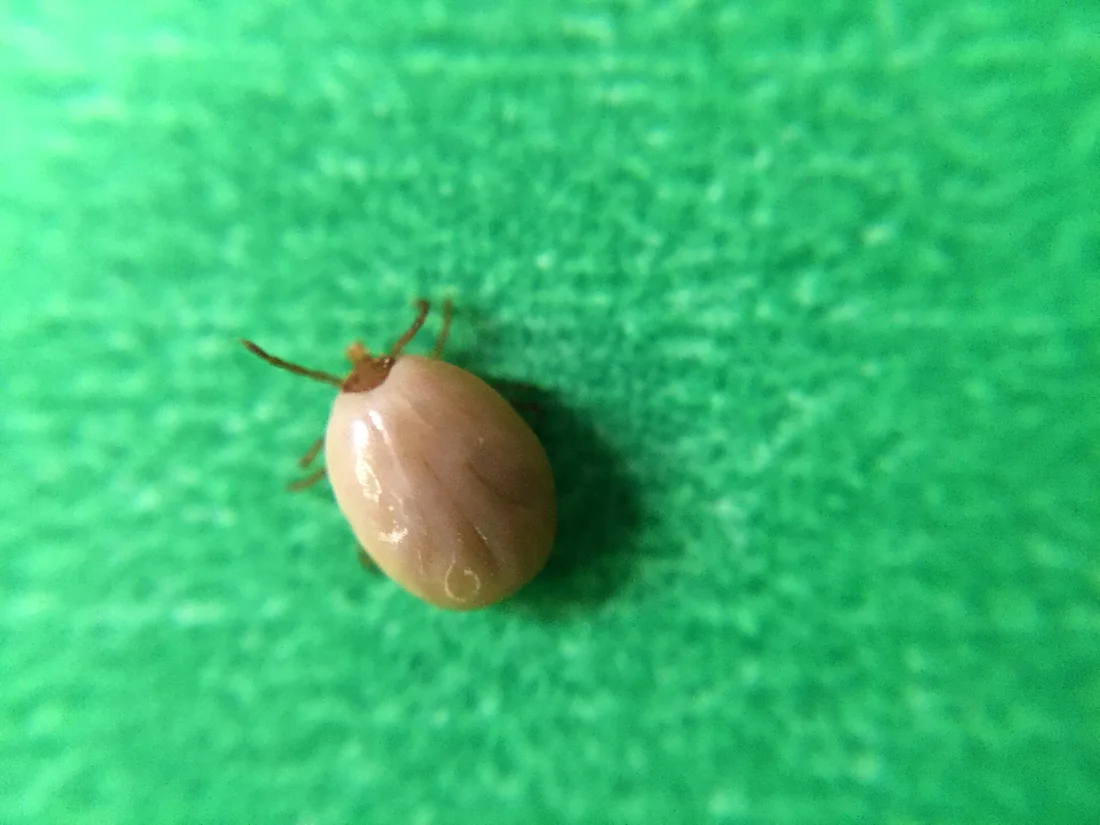
Massachusetts is deer tick country, and Worcester's wooded neighborhoods — the West Side, Tatnuck, the edges around the ponds and conservation land — put yards directly against tick habitat. Deer ticks wait at the edge where lawn meets brush and leaf litter, questing on low growth, and they are small enough that the nymph stage is the size of a poppy seed. Lyme disease is the headline risk; the ticks themselves are a yard problem with a household solution.
Tick work is habitat work. Treatment targets the ecotone — the shady border band where ticks actually wait — rather than the open lawn they rarely cross. Around it, the homeowner's half matters as much: leaf litter cleared from edges, woodpiles stacked neatly away from play areas, brush cut back, and a dry barrier of gravel or mulch between lawn and woods that ticks are reluctant to cross.
Season runs roughly April through October, with nymphs peaking late spring into early summer and adults active again in fall. The seasonal pest calendar guide maps tick months against the rest of Worcester's pest year, and where a yard borders serious woods, providers can lay out a recurring treatment rhythm matched to those peaks.
Mosquitoes are a standing-water problem with wings. Worcester's species breed in remarkably little water — a clogged gutter, a planter saucer, a tarp fold, the catch basin at the street — and the females range a few hundred yards from where they hatched, which means the mosquitoes in a yard were usually raised within a few houses of it. The Blackstone corridor and the pond neighborhoods add natural breeding water on top of the domestic kind.
Control starts with a water audit: gutters, downspout ends, birdbaths, buckets, toys, and low spots that hold water for a week. Most household mosquito pressure drops sharply when the audit is done honestly. Treatment of resting vegetation — the shady shrubs and undergrowth where adults shelter by day — addresses the mosquitoes already flying, and larvicide in water that cannot be drained (a pond edge, a sump) stops the next generation at the source.
Timing is seasonal: pressure builds from late spring, peaks in humid midsummer, and ends with hard frost. For yards hosting regular evening use, providers can structure treatment around that curve; for everyone else, the water audit plus targeted treatment of resting areas is the practical core.
A flea problem is a pet problem that moved into the carpet. Adult fleas live on the animal; the eggs, larvae and pupae live where the pet rests — bedding, carpet edges, sofa seams — and the pupae can wait months for the vibration of a host walking by, which is why fleas famously erupt in a house that stood empty all winter, the week the new tenants move in.
Control therefore runs on two tracks at once: the pet (through your veterinarian's products, which are the ones that work) and the environment — thorough vacuuming, which both removes stages and vibrates pupae into emerging where treatment reaches them, washing of pet bedding, and treatment of the resting areas. Skipping either track is why flea jobs fail: the environment reseeds the pet, or the pet reseeds the rooms.
In Worcester rentals and triple-deckers, fleas also travel modestly between units via shared hallways and the pets themselves. If a flea problem appears without a pet in the home, wildlife in the attic or a previous tenant's animals are the usual explanations — worth mentioning on the call, because it changes where the inspection starts.
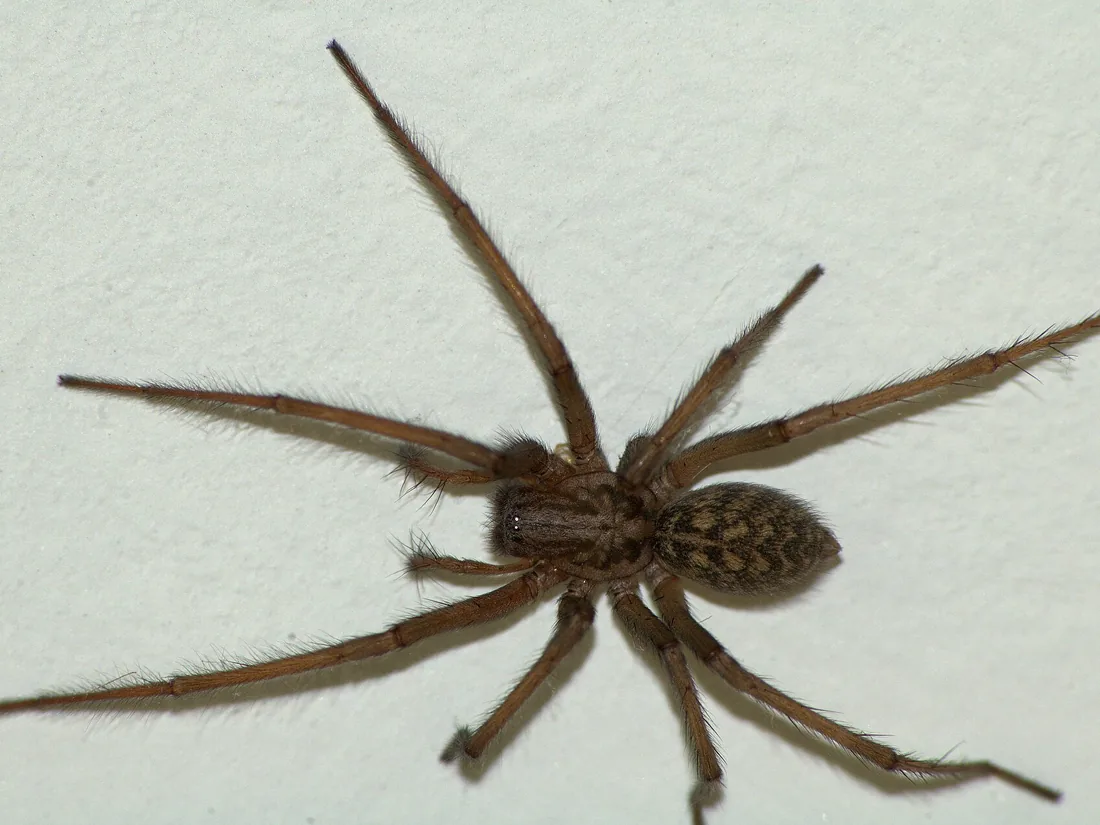
Spiders in Worcester homes are mostly the common house spider and cellar spiders — basement and corner tenants that eat other insects and indicate a food supply more than an infestation. Control is housekeeping: webs and egg sacs removed, clutter reduced, and the insect prey they feed on addressed. A spider worth a second look is rare in Massachusetts homes, and the honest service here is identification before alarm.
Pantry pests — Indian meal moths and grain beetles — arrive inside infested dry goods: flour, cereal, pet food, birdseed, spices. The signs are webbing in packages, moths fluttering in kitchen light, and beetles in the flour bin. The fix is disposal of infested goods, a thorough shelf clean, and airtight storage afterward; treatment of the pantry follows the clean-out, not the other way round.
Clothes moths work quietly on natural fibers in undisturbed storage — the back of the closet, the stored rug, the cedar chest that was not as tight as believed. Stink bugs are the fall invader: brown marmorated stink bugs gather on sunny walls in September and October and slip inside to overwinter in wall voids and attics, emerging on warm winter days. Exclusion — sealing the siding gaps and window frames they use — is the stink bug answer, done in late summer before the gathering starts.
A pest inspection answers a specific question with a document: is there evidence of pests — above all wood-destroying insects — in this structure? In Worcester the question arises most often around home sales, when a buyer's lender or insurer wants a wood-destroying insect (WDI) report, and around renovations, when old damage surfaces and someone must separate active infestation from history.
The inspection itself is structured: foundation walls inside and out, sills and joist ends probed, attached porches and garages checked, and the conducive conditions listed — wood-to-soil contact, moisture, stored firewood against the house. Evidence is reported as found: live insects, tubes, galleries, frass, or old damage with no activity. That distinction — active versus historical — is the whole value of the document, and it is why inspections are performed as inspections, not as sales visits.
Landlords use inspections differently: a documented check between tenancies, or when a tenant reports signs and the building needs a factual starting point before treatment is arranged. If you need an inspection, say so on the call — inspection calls sort differently from treatment calls, and arriving with the right paperwork in hand is the point.
You do not need the pest’s name. Describe what you have seen — droppings, damage, a nest, bites — and the intake sorts it into the right service on the call.
📞 Call NowOne call covers every service on this site. Describe what you have seen and the building it is in — the intake sorts the job and matches it with an independent local provider, who confirms the scope of work with you before anything begins.
There are no web forms on this site. The phone call is the intake; email is there for non-urgent questions about how the service works.
📞 Call Now