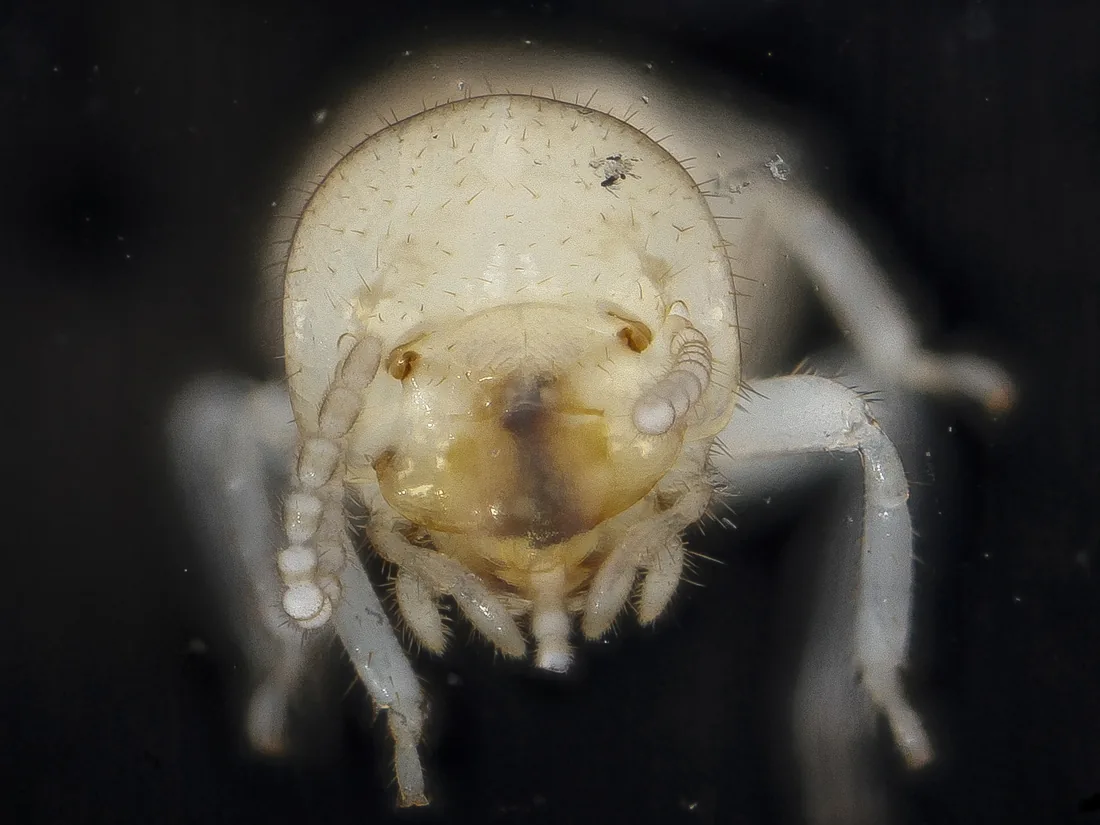
Mud tubes on a foundation wall, wings on a basement sill, wood that sounds hollow under a screwdriver — Worcester's termite is the eastern subterranean, and it works quietly for years before it shows itself.
Subterranean termites live in the soil and commute into wood, which makes them a foundation problem as much as a wood problem. Worcester's older homes — wood sills resting close to grade on stone foundations, damp basements, porches built against the house — offer exactly the soil-to-wood contact they look for. This page covers the signs, the inspection, and what termite treatment actually involves.
Say the area or ZIP first, then what you have seen. The intake sorts it into the right service and matches a local provider.
📞 Call NowThe matched provider confirms the scope of work with you before anything begins.

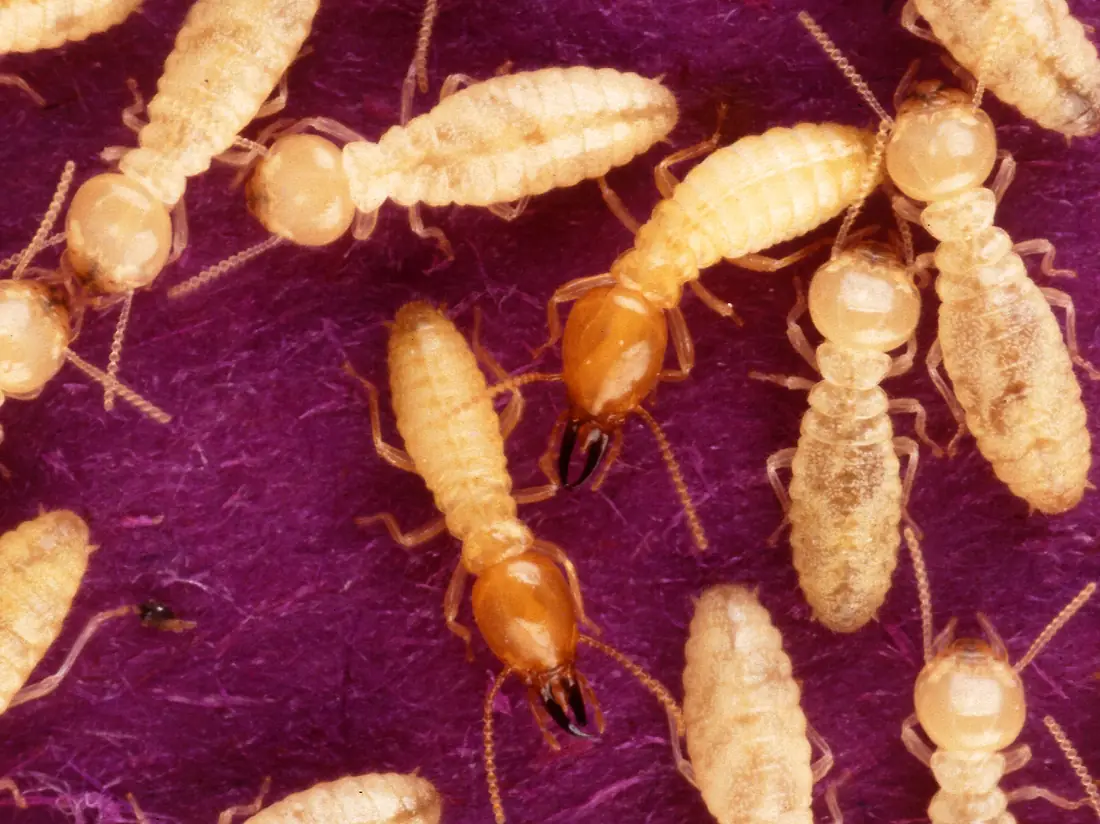
The eastern subterranean termite is the only termite that matters in Massachusetts, and it is a colony insect: a queen in the soil, workers commuting up into the structure to feed, soldiers guarding the galleries. Workers eat the soft springwood inside a beam and leave the harder grain, so infested wood looks like a honeycomb in cross-section while its painted surface can stay smooth and innocent for years. That is why termites are found by signs, not by sightings.
The signs follow the commute route. Mud tubes — pencil-width tunnels of soil and saliva — climb foundation walls from the ground to the wood, keeping workers humid on the trip. In spring, colonies send out swarmers: winged termites that pour from a crack near the foundation on a warm day after rain, shed their wings within hours, and leave the evidence in piles on sills and floors. Later signs are structural: blistered or darkened wood, floors that feel soft, hollow sounds when a sill or joist is tapped.
Worcester's housing adds risk factors. Original wood sills sit low on fieldstone, sometimes nearly at soil level. Porch posts, firewood stacked against the house, and mulch heaped against the foundation all build soil-to-wood bridges over any gap. Damp basements keep the commute humid. None of this makes termites certain — but it is why inspections in older Worcester homes start at the sill and the foundation wall, not in the living rooms.
A colony's scale explains the patience of the damage. A mature subterranean colony holds tens of thousands of workers and forages over a wide underground territory, sending feeding parties up any wood that touches its routes. The feeding is slow in a single board and relentless across a whole sill line — which is why termite damage is measured in seasons rather than weeks, and why the discovery is so often made during a renovation, when a sill or a porch ledger is opened and the galleries are suddenly visible. The colony was not new. Only the discovery was.
Foundation walls, sills, joists, porch attachments and any wood near grade are probed in order. The inspection maps tubes, damage and conducive conditions before any treatment is discussed.
Termites are confirmed, not assumed — carpenter ants and beetle damage look different and are treated differently. The termite signs guide on this site shows the comparisons.
Soil treatments around the foundation and bait systems are the two established approaches; which fits depends on construction, wells, drains and where the colony is feeding.
Wood-to-soil contact, leaking gutters wetting the foundation, firewood against the wall — the inspection lists what to fix so the building stops inviting re-entry.
A pest inspection reports pest evidence. How much structural repair damaged wood needs is a question for a builder — the provider will say plainly where that line sits.
Bait systems and treated zones are checked on a schedule, because a colony eliminated from one side of a house can test the other.

A treated zone in the soil around the foundation intercepts workers commuting between colony and wood. It protects the route rather than chasing insects inside walls.
Stations placed around the structure hold a food source workers prefer over wood; they carry it back to the colony, which declines over the following months. Baiting is a monitored program, not a single visit.
Exposed, accessible wood in basements and crawl spaces can be treated directly during construction or repair — useful on new sills and replaced joists.
Termites follow moisture. Fixing the gutter that soaks the foundation or the grade that ponds against the wall removes the condition the colony commuted for.
The core problem: workers removing the inside of sills and joists while the surface looks sound. Catching it at the tube stage limits the carpentry later.
Swarmers emerging indoors — at a basement window or from a wall crack — mean the colony is in or under the structure, not in the garden. That distinction decides the call.
Wood-destroying insect evidence surfaces in home sales around Worcester every spring. An inspection documents presence or absence clearly — see the inspections section of the services hub.
Fieldstone foundations complicate termite work in the same way they complicate rodent work: irregular mortar, rubble fill, and sills that were laid a century before treated lumber existed. Workers can travel inside a rubble-filled stone wall without ever building a visible tube, which is why an inspection in an old Worcester home checks the sill from inside the basement with a probe and a flashlight, not just the wall face outside.
Renovations are the other discovery moment. Termite damage in this city is most often found when a porch is rebuilt, a sill is replaced, or a bathroom floor comes up. If a contractor finds galleries in old wood, a pest inspection before the new work closes the wall is worth far more than one after — a small step next to sealing a live colony behind new carpentry.
Termites also surface at the paperwork moments of homeownership: a purchase, a refinance, a renovation permit. The WDI inspection exists for exactly those moments, documenting wood-destroying insect evidence in a form lenders and buyers can rely on. If your call is driven by a closing date rather than a swarm, say so — inspection calls are scheduled and documented differently from treatment calls, and arriving paperwork-ready is the point.
One call reaches the Worcester intake for this and every other service. Describe the signs once; the matched provider confirms the scope of work with you before anything begins.
📞 Call NowOne call covers every service on this site. Describe what you have seen and the building it is in — the intake sorts the job and matches it with an independent local provider, who confirms the scope of work with you before anything begins.
There are no web forms on this site. The phone call is the intake; email is there for non-urgent questions about how the service works.
📞 Call Now