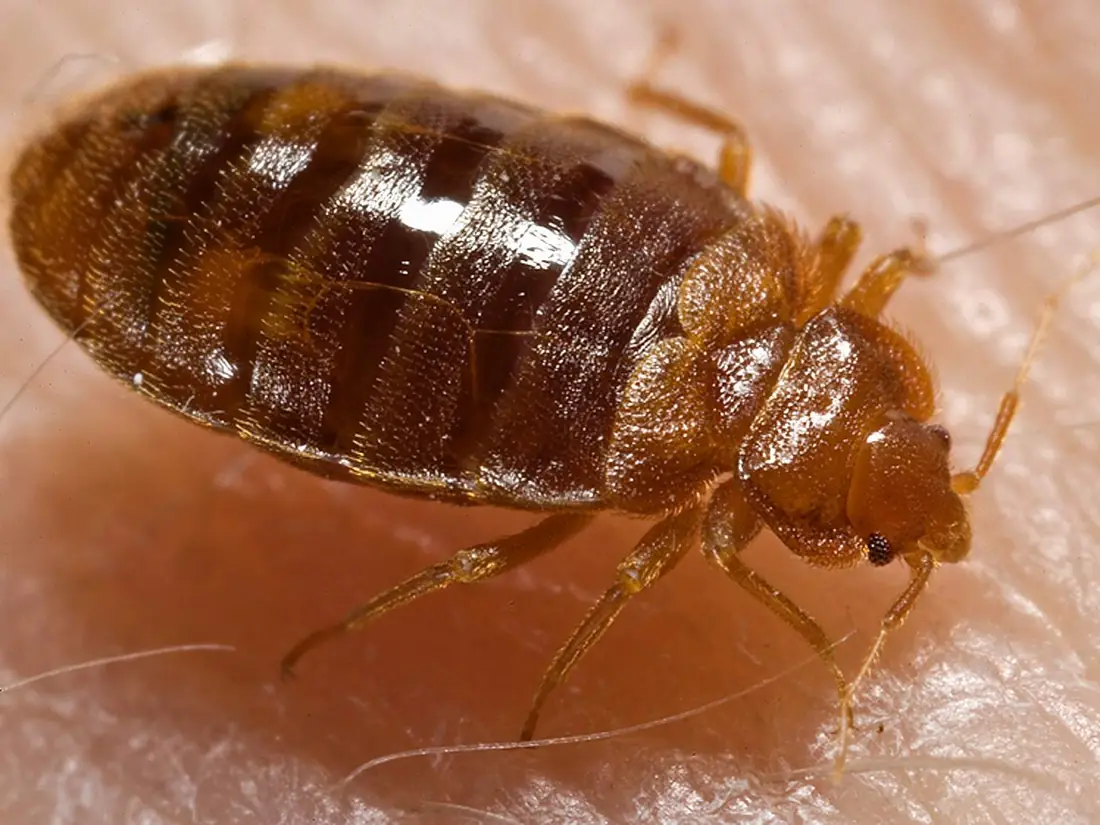
The bed bug call almost always begins with bites, and bites are the weakest evidence there is. Roughly a third of people show no reaction to bed bug bites at all, which means infestations grow silently beside non-reactors; meanwhile the people who do react may be reacting to fleas, mites, or a skin condition that has nothing to do with insects. Providers therefore do not confirm bed bugs from skin. They confirm them from physical signs, in the places bed bugs predictably hide — and those places can be checked by any homeowner with a flashlight and twenty patient minutes.
This guide gives you that check: the five signs that matter, in the order to look for them, the look-alikes that cause false alarms, and the short list of things not to do before help arrives (two of them — dragging furniture through the house and fogging the room — actively make professional treatment harder). If the check finds live evidence, you will know exactly what to tell the intake; if it does not, you will know what to watch.
Sign 1: Live Bugs in the Seams and Joints
An adult bed bug is about the size and shape of an apple seed — flat, oval, reddish-brown, visibly segmented. Younger stages are smaller and paler, down to a millimetre, which is why the search uses light and patience. Start where the odds are highest: the piping and seams of the mattress, especially at the corners and around the tag; the joints of the bed frame; the screw holes in wooden slats; the headboard's back and fixing brackets; and the inside corners of the box spring, whose underside dust cover hides a classic harborage.
Work slowly with a flashlight held at a low angle — flat insects in seams announce themselves by shadow. A credit card run along the seam piping flushes bugs from their folds. Check the nightstand joints, the baseboard behind the bed, and any upholstered chair in the room as the second ring. Live bugs in any of these places are confirmation: photograph one next to a coin for scale if you can, and that photograph is the single most useful thing you can give the intake.
Sign 2: Shed Skins and Eggshells
Bed bugs grow by molting, passing through five stages and leaving a papery, translucent cast skin at each one. The skins keep the insect's shape — an empty, amber-tinted shell of a bed bug — and they collect in the same harborages as the live bugs: seams, frame joints, behind headboards, along baseboards. Finding several skins of different sizes means the population is breeding in place, not visiting; it is one of the strongest activity signs there is.
Eggs are smaller evidence: about a millimetre, pearly white, laid in clusters glued into seams and cracks. They are genuinely hard to see without magnification, and their absence proves nothing — but skins plus any other sign is close to a verdict. Note where the skins cluster: that map of harborages is exactly what treatment planning needs, and it tells you whether the problem sits in one bed or has spread to the sofa and the second bedroom.

The mattress seam piping is harborage number one. A flashlight and a slow pace find what a glance cannot.
Sign 3: Rust-Brown Spotting on Sheets and Seams
Bed bugs leave two kinds of marks. Blood spots — small rust-red smears on sheets and pillowcases — come from feeding: a bug crushed by a sleeper, or a bite that bleeds briefly into the linen. Fecal spotting looks different: tiny black or dark-brown dots, like the marks of a fine marker pen, clustered along mattress seams, frame joints and baseboards near the bed. Fecal spots smear when wiped with a damp cloth, which distinguishes them from mold spots and printed fabric patterns, the two look-alikes that cause confusion.
Spotting patterns chart the infestation's age and extent. A few fecal clusters at one mattress corner usually mean a young, local problem. Spotting on the baseboards, behind picture frames above the bed, inside electrical outlets and on the ceiling corners means an established population that has overflowed the bed itself. When you report signs, describe the spotting's spread in those terms — bed only, or bed plus room — because it changes the treatment footprint the provider plans for.
Confirm bed bugs from evidence, never from bites: live bugs in the seams, shed skins in the joints, marker-dot spotting along the piping. Find one of the three and the question is settled.
The Bite Question, Handled Honestly
Bites belong in the story, but at the end of it, not the start. The typical pattern offered as evidence — itchy welts noticed on waking, sometimes in rough lines or clusters on skin that touches the bed — is consistent with bed bugs and consistent with several other things. Two facts discipline the guesswork. First, non-reaction is common: a partner sleeping in the same bed with no marks does not clear the bed. Second, timing lies: reactions can lag a day or more, so bites noticed after a trip may have been collected at home the week before, and vice versa.
Use bites as the prompt to run the physical check, never as the conclusion. And if the physical check comes up empty while bites continue, consider the alternatives with the same honesty: fleas (check ankles, pets and pet bedding), bird or rodent mites (a nest in a vent or attic above the room), and skin conditions that a pharmacist or doctor sorts faster than any pest visit. A provider who insists on treating an empty room for bed bugs is a provider to avoid — the inspection exists to prevent exactly that.

Wooden slats, joint gaps and screw holes hide bugs through the day. The frame is checked piece by piece.
False Alarms: Carpet Beetles and Other Tenants
The most common bed bug false alarm in Worcester homes is the carpet beetle larva: small, fuzzy, striped larvae that wander baseboards and window sills and feed on lint, wool and feathers. Their shed skins look insect-like enough to frighten, and some people react to the larvae's hairs as if bitten. The differences are plain once looked for: larvae are hairy caterpillar-like creatures, clearly segmented with visible bristles, found near windows, closets and stored textiles rather than concentrated in bed seams; they do not bite, and the 'infestation' is a housekeeping and storage issue, not a bed bug treatment.
Also in the cast: booklice (tiny, pale, in damp paper and bathrooms — harmless), German cockroach young (which turn up in kitchens and bathrooms, not beds, and come with the pepper-speck droppings described in the services hub), and the occasional spider beetle in a pantry. Each has its own page of evidence. The discipline is the same throughout: identify from the physical sign in its location, not from anxiety at 2 a.m.
What Not to Do Before You Call
Three common reactions make the eventual treatment measurably harder. Do not fog the room: consumer foggers do not reach into seams and joints, and their repellent effect scatters bed bugs into walls and adjacent rooms, converting a contained bedroom problem into a whole-unit one. Do not drag the mattress or infested furniture through the house or down shared stairs — that is the classic way one apartment's problem becomes a building's problem; if a piece truly must go, it is wrapped first, inside the room. And do not sleep on the sofa to escape: bed bugs follow their food, and the sofa simply becomes the second infestation site.
What to do instead is short. Run the seam-and-frame check. Photograph live evidence. Note which rooms are involved and whether anyone in adjacent units has mentioned anything. Keep sleeping in the bed if you can bear it — an occupied bed keeps the population local and findable — and make the call with the facts assembled. That combination is what a quick, contained treatment is built from.
A last word on evidence you may already have thrown away. If you vacuumed up skins or wiped spotting before reading this, do not despair — an active problem regenerates its evidence within days, in the same harborages. Wait a few days, then run the check again on a calm morning. Absence after a careful second check is genuinely informative; absence after a panicked clean is not.
Get Help With This in Worcester
Identification is the first half. If what you found matches this guide — or you are still unsure — one call to the Worcester intake sorts it: describe the signs and the building, and get matched with an independent local provider who confirms the scope of work with you before anything begins.