✉ rankandrent2+pest-worcester@gmail.com Mon–Fri: 7 AM–10 PM · Sat: 8 AM–10 PM · Sun: 7 AM–9 PM
Home / Services / Wildlife Removal
Pest Control Services · Worcester, MA

Wildlife Removal in Worcester, MA

Thumping in the attic at dusk, a skunk smell that will not leave the porch, something scratching inside the chimney — Worcester's wooded edges send wildlife into houses every season.

A city threaded with parks, rivers and wooded hills keeps wild animals close, and older housing gives them openings. This page covers the animals Worcester homes host most — raccoons, skunks, squirrels and bats — how they get in, the damage each does, and how removal works when it is done properly: the animal out, the entry sealed, the timing legal and humane.

Call First — No Forms

Talk through your pest problem

Say the area or ZIP first, then what you have seen. The intake sorts it into the right service and matches a local provider.

📞 Call Now

The matched provider confirms the scope of work with you before anything begins.

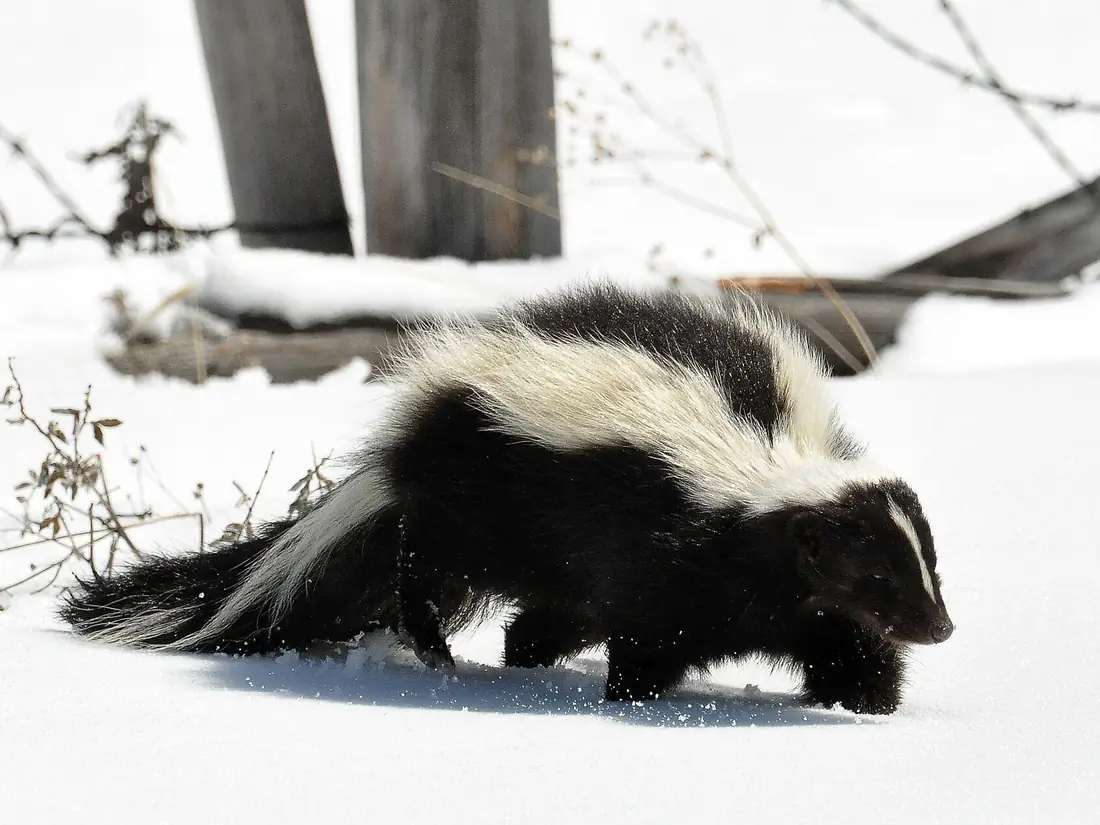
A striped skunk, a common visitor under Worcester porches and decks
Skunks den under porches and sheds where lattice has failed. The fix is removal plus a barrier that stays.
The Problem

Understanding Wildlife in Worcester Homes

Each species wants the same three things the house offers better than the woods: dry shelter, warmth, and quiet. Raccoons take attics and chimneys, especially in spring when a female needs a den for kits. Skunks take the ground floor — under porches, decks and sheds, where a failed lattice panel leaves a doorway. Squirrels work the roofline, chewing into soffits and eaves, and bats slip through gaps near the ridge and chimney flashing that a homeowner cannot see from the ground.

The signs differ by tenant. Raccoons are heavy and audible — thumps and slow movement overhead, often at dusk, plus torn shingles or a displaced chimney cap outside. Squirrels are daytime scratchers and chewers, fast and light, and their gnawing on wires and wood is the real damage. Skunks announce themselves by smell and by shallow cone-shaped holes dug in lawns after grubs. Bats are quiet: a few droppings on a wall or porch below a gap, faint rustling at dusk, and sometimes one lost bat in a living space.

Worcester's geography feeds all of it. The Blackstone River corridor, the Tatnuck and Burncoat ponds, and the wooded conservation land inside the city mean most neighborhoods sit a short walk from habitat. Add pre-war rooflines with a century of patched flashing and vents, and the surprise is not that animals move in — it is how precisely they find the one opening a house offers.

Below them all works the supporting cast. Opossums pass through yards and occasionally den under sheds; groundhogs excavate seriously — a burrow system can undermine a slab or a porch footing over a few seasons; and the city's deer and turkeys, while not a removal topic, feed the tick population that the services hub covers. Wildlife calls in Worcester are therefore identified carefully on the phone: the same scratching sound can be a five-pound problem or a forty-pound one, and the provider arrives with very different equipment for each.
Scope of Work

What Wildlife Removal Involves

✦

Inspection of entry points

The roofline, chimney, vents, soffits and porch skirts are checked to find how the animal enters — removal without the entry point is a subscription, not a solution.

✦

Species and season check

A female with young changes what can be done and when. The inspection establishes who is inside and whether dependent young are present before any device is set.

✦

Humane removal methods

One-way exit doors, live trapping and direct capture are matched to the species and the structure — the standard is the animal leaves alive and cannot return.

✦

Exclusion and repair

Entries are sealed with materials the species cannot chew or pull through — steel mesh, metal flashing, proper vent covers — once the animal is confirmed out.

✦

Cleanup guidance

Droppings and nesting in attics are contamination, not just mess. The visit covers what needs removing and what can safely stay, honestly split.

✦

Prevention notes

Chimney caps, trimmed branches bridging to the roof, secured bins and repaired lattice — the small fixes that stop the next tenant are listed before the provider leaves.

The Process

How Wildlife Removal Works

Sounds, droppings, damage and timing separate raccoon from squirrel from bat. Each gets a different method, so the identification is the work that makes the rest short.
Animals rarely use one entry. The full roofline and porch line are checked so sealing does not simply move the problem six feet left.
Exits, traps or capture remove the animal — timed around dependent young where they exist, and within Massachusetts rules for each species.
Entries are closed with chew-proof materials after the animal is out, and a quiet attic over the following nights is the confirmation.
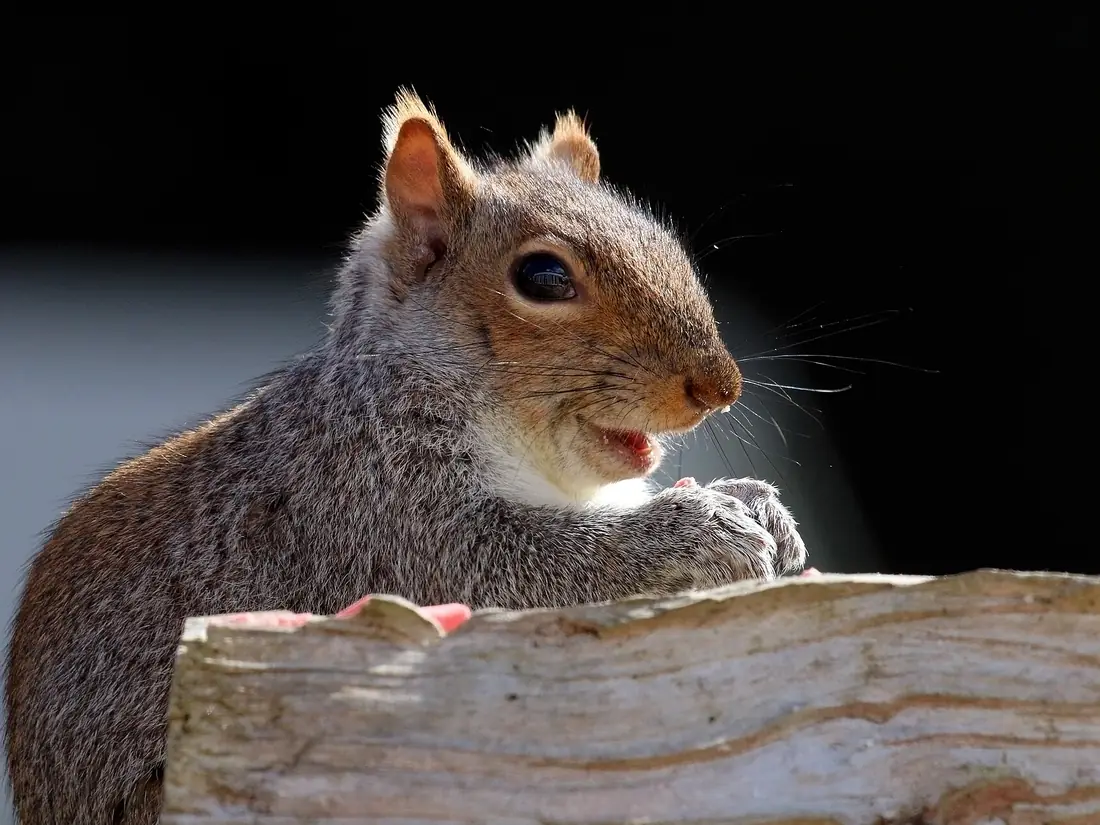
A gray squirrel — quick to move from a branch to a roofline opening
Gray squirrels enter at soffits and roof edges, and chew constantly once inside an attic.
Methods

Methods Wildlife Providers Rely On

One-way exit doors

A device fitted over the entry lets the animal leave and bars its return. For bats and squirrels this is the core technique — no handling, no harm, no re-entry.

Live trapping

Cage traps set on travel routes for raccoons and skunks, checked on the schedule the law and basic decency require, with relocation handled under state rules.

Exclusion carpentry

Most wildlife work ends as building work: flashing, mesh and vent covers fitted so the repaired opening is stronger than the original construction.

Bat-specific timing

Bats are protected and beneficial, and maternity season sets hard limits on when exits can be fitted. A bat job is scheduled around the colony's calendar, not the homeowner's.

What It Solves

Problems Wildlife Removal Solves

01

Raccoons denning in attics and chimneys

Noise, torn insulation, droppings in quantity, and the risk of a trapped or dead animal in a flue. Kits in spring make timing part of the problem.

02

Skunks under porches and decks

The smell is the famous part; the digging, the den under the front steps and the dog-skunk standoff at midnight are the practical ones.

03

Squirrels and bats in rooflines

Squirrels bring fire risk through gnawed wiring; bats bring droppings and the occasional indoor visitor. Both are entry-point problems solved at the roofline.

Worcester Specifics

Wildlife and Worcester's Porches and Rooflines

The Worcester front porch is wildlife infrastructure. Its lattice skirt hides a dry, dark, sheltered space against the foundation, and after a few winters the lattice always has a gap at the back corner nobody sees. Skunks find it first; opossums and groundhogs follow. The durable answer is not a new lattice panel but a buried mesh barrier behind it — exclusion that survives the seasons lattice does not.

Rooflines tell a similar story. A century of additions, dormers and re-roofs leaves seams where two planes meet, and squirrels test every one. When the intake takes a wildlife call, expect questions about recent roof work and which side of the house the noise comes from — the answers place the entry before anyone climbs a ladder.

Chimneys deserve a sentence of their own. An uncapped flue is a hollow tree to a raccoon and a nesting shaft to chimney swifts — a protected bird whose presence changes the work entirely until the young have flown. Squirrels fall in and cannot climb smooth flue tile. If the sounds in your house center on the chimney, say so on the call; a cap fitted after a proper check closes the question for every species at once.

📞 Call Now
Good Questions

Questions About Wildlife Removal in Worcester

Heavy, slow thumping and movement around dusk points to a raccoon — squirrels are lighter, faster and mostly daytime. Rolling or dragging sounds suggest a raccoon moving material. Describe the timing and weight of the sounds on the call; they are genuinely diagnostic.
Yes — calm, unhurried work with proper traps rarely triggers a spray, because skunks spray when startled or cornered, not as a greeting. The removal is planned around the animal's evening exit, and the den entrance is barriered the same visit so the space is not re-let.
Do not handle it. Close the bat into one room if you can do so safely, open an exterior window or door in that room at dusk, and keep people and pets out. If anyone woke up in a room with a bat, or a pet caught one, call promptly and mention it — that detail changes the advice, because of rabies precautions.
Because 'out' is a guess with young in a den or a bat colony of twenty. Sealing early can trap animals inside walls and attics, which is worse than the original problem. The sequence is confirm-out, then seal — and the confirmation step is what you are really paying attention to on a wildlife call.
The standard methods on this page are humane: one-way exits, live traps and exclusion. Massachusetts rules govern what happens with each species — protected species like bats are excluded, never harmed — and the provider confirms the approach for your animal before work begins.
Keep Exploring

Related Services

See every service on the services hub →

One Call

Need Wildlife Removal in Worcester?

One call reaches the Worcester intake for this and every other service. Describe the signs once; the matched provider confirms the scope of work with you before anything begins.

📞 Call Now
Get In Touch

Contact Us About Wildlife Removal

One call covers every service on this site. Describe what you have seen and the building it is in — the intake sorts the job and matches it with an independent local provider, who confirms the scope of work with you before anything begins.

There are no web forms on this site. The phone call is the intake; email is there for non-urgent questions about how the service works.

📞 Call Now
📞
Call the intake lineUse any Call Now button — one line for all of Worcester
✉
Emailrankandrent2+pest-worcester@gmail.com — for non-urgent questions
🕖
HoursMon–Fri 7 AM–10 PM · Sat 8 AM–10 PM · Sun 7 AM–9 PM ET
⌖
CoverageWorcester (15 ZIPs) · Auburn · Shrewsbury · Millbury
📞Talk to the Worcester intakeCall Now